
Hitch-and-Go: a 5v5 flag football play
Once you've completed a few hitches, defenders start jumping them. The hitch-and-go punishes that. The receiver sells the hitch, stutters, and bursts upfield past a defender who's already committed. Pair it with the same look from the other side so it's impossible to tell apart.
Opens the free play maker with Hitch-and-Go added, ready to edit and print on a wristband card.
How Hitch-and-Go works
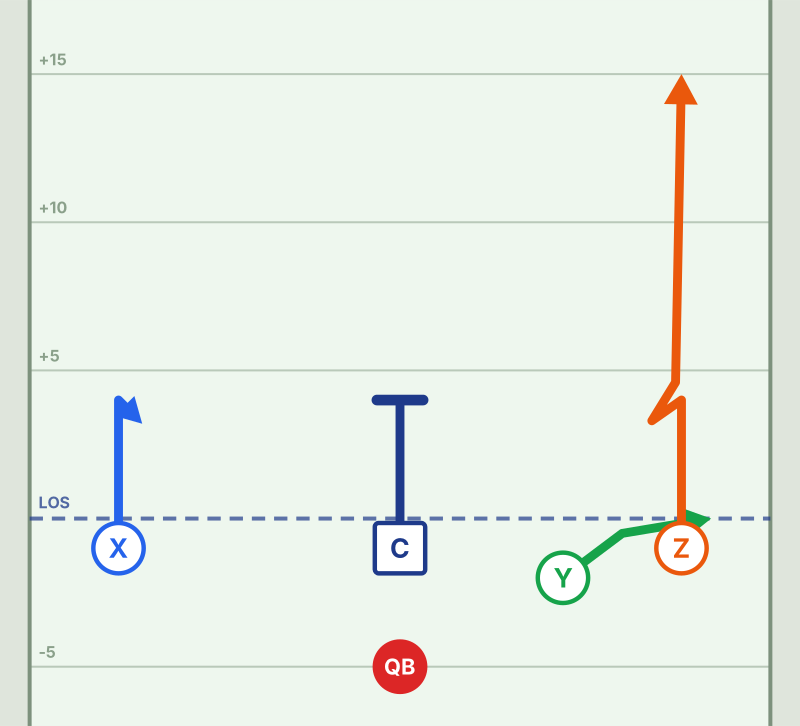
- Z runs 5 yards, stutters as if turning for the hitch, then turns upfield on a go.
- X runs a real hitch on the other side, so the formation looks like Quick Hitches.
- Y runs to the flat as the outlet.
- C releases 5 yards and sits.
The quarterback's read
- The QB pump-fakes to Z as they stutter.
- If the defender jumps the fake, throw the go.
- If they don't bite, throw X's hitch or Y's flat.
Coaching points
- The fake is everything: head and shoulders turn to the QB just like a real hitch.
- The QB's pump fake has to be quick; a long pump costs time against the rush.
- Call it only after you've thrown the hitch at least twice.
When to call it
After the defense has seen hitches and started to squat on them.
For youth teams
10 and up. Younger kids can run it as a plain go route after a few hitches.
Rules check
IFAF (5v5, 7v7 and beach)
Legal. A pump fake is not a fake hand-off, so it doesn't release defenders lined up within 7 yards to rush (R 2-9-1).
NFL FLAG and other rulebooks
Legal as drawn.
Rule numbers refer to the IFAF International Flag Football Rules 2023, the current edition. See the trick plays guide for the six rules that decide most plays.
Put Hitch-and-Go on a wristband
Add it to your playbook in the free play maker, change the routes to fit your team, and print numbered wristband cards and a coach's call sheet on regular paper.